

For security teams, penetration testing is valuable when it produces clarity, not simply another technical report. The provider experience matters just as much as the testing itself. Pentestas is often viewed through that practical lens, with attention focused on the speed of findings, the relevance of testing, and the confidence that comes from maintaining a more active view of security risk. Clients evaluating Pentestas often place particular value on the ability to identify meaningful security issues without treating testing as a once-a-year exercise. Modern environments change continuously through code releases, cloud configuration updates, new integrations, and expanding digital assets, so a fixed testing schedule can leave long periods without independent validation. The appeal of an ongoing pentesting approach is that it can help organizations receive security insight closer to the moment when change occurs. Rather than relying only on a report produced months earlier, teams can use regular testing activity to maintain a current understanding of their exposure. This matters for companies with active development cycles. A newly released feature may introduce changes to authentication logic, permissions, APIs, or data handling, even when the broader application architecture remains familiar. Continuous validation gives security teams another layer of assurance that these changes are being examined from an attacker’s perspective. The practical benefit is not simply speed for its own sake. Faster findings can reduce the interval between identifying an issue and assigning it to the right internal owner. For organizations managing many competing engineering priorities, that shorter path to visibility can make security work easier to prioritize. A penetration test delivers its strongest value when its results are understandable to the people who must respond. Clients commonly assess Pentestas not only by the technical depth of the testing but also by whether findings provide enough context for developers, infrastructure teams, and security leaders to make informed decisions. Clear reporting supports a more productive remediation process. Teams need to know what was identified, where it exists, why it matters, and what action may reduce the risk. When those elements are communicated well, the report becomes a working document rather than a record that is reviewed once and set aside. Evaluation Area What Security Teams Typically Need Why It Matters Finding clarity A clear explanation of the vulnerability and affected assets Reduces uncertainty during triage Risk context Information about likely impact and exploitability Supports sensible prioritization Remediation guidance Actionable steps for fixing or mitigating the issue Helps technical teams begin work faster Evidence Relevant details that demonstrate the finding Makes validation and reproduction easier Retesting Confirmation that remediation has addressed the issue Builds confidence in the resolution process Pentestas’ value in this area is best understood as a combination of testing and communication. Even highly capable internal teams benefit when external findings are presented in a way that supports their established workflows, ticketing processes, and risk discussions. There is still an important responsibility on the client side. Reporting can inform priorities, but every organization must determine how a finding relates to its own systems, business objectives, and available resources. That shared responsibility helps keep the relationship grounded in practical security improvement rather than a purely report-driven process. Security confidence does not mean assuming that risk has disappeared. Instead, it comes from having a repeatable way to test controls, review exposure, and respond to weaknesses as the environment evolves. This is where continuous pentesting can offer a meaningful advantage over isolated assessments. Clients that choose Pentestas for ongoing validation may appreciate the consistency of having an external security perspective available over time. Repeated testing can make it easier to identify patterns, revisit areas that have changed, and keep security discussions active between major audits or compliance reviews. This model can also support organizations that are scaling. As an application portfolio grows, cloud services become more complex, or third-party dependencies increase, the attack surface can change in ways that are not always obvious to internal teams. An ongoing testing relationship can provide a structured way to revisit assumptions and assess whether controls are operating as intended. The strongest results come when continuous pentesting is connected to existing security operations. Findings need owners, remediation needs realistic timelines, and key stakeholders need a clear process for escalation. Pentestas can contribute valuable validation, while the client’s internal processes determine how effectively that intelligence becomes lasting improvement. Even mature security teams can benefit from independent testing. Internal specialists often have deep knowledge of their organization’s architecture and controls, but that familiarity can sometimes make it harder to see systems from the perspective of an outside attacker. Pentestas can provide an additional viewpoint without replacing the role of internal security staff. For organizations with limited offensive security capacity, this can be especially useful because it gives them access to specialist testing skills while allowing their own teams to focus on security engineering, detection, governance, and incident readiness. Over time, a provider relationship can also become more efficient. As testers gain an appropriate understanding of the client’s environment, they can spend less time learning basic context and more time examining the areas that matter most. At the same time, the value of external testing depends on retaining independence and continuing to question established assumptions. Clients should still invest in clear scoping, accurate asset information, and open communication. These operational foundations influence the quality of any pentesting engagement. They also help ensure that testing remains focused, coordinated, and aligned with the organization’s current priorities. Pentestas presents a practical choice for organizations seeking regular security validation, actionable findings, and a consistent external perspective. Its lasting value lies in helping clients turn ongoing testing into a more informed and confident security practice.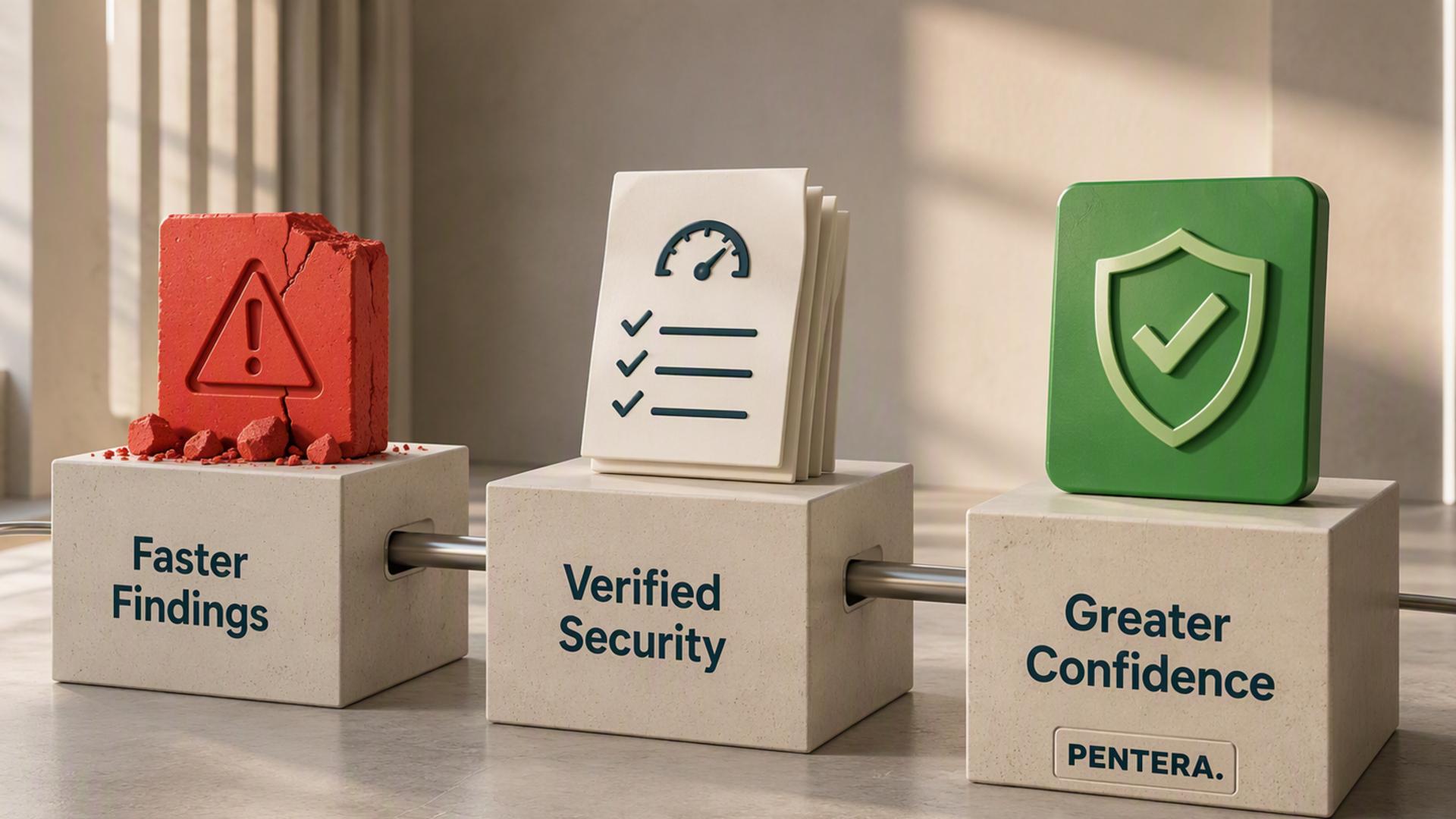
Pentestas Through the Eyes of Its Clients: From Faster Findings to Greater Security Confidence
Faster Findings in a Changing Environment
A More Timely Route to Security Insight
Reporting That Helps Teams Move Forward
Turning Technical Detail Into Practical Next Steps
Continuous Testing and Greater Confidence
Confidence Built Through Repeated Validation
An External Perspective That Complements Internal Teams
Independent Testing With Useful Context
Why Clients Continue to Value the Platform



 Seitenanfang
 Letzte Änderung: 18.11.2004 | Ansprechpartner/in: oder